
The Impact of Neurodiversity in the Workplace Training
Over the past year we have had the privilege of delivering our Neurodiversity in the Workplace Awareness Training to a range of organisations. What started as a way to help workplaces better understand neurodivergence has become something even more meaningful than we first expected.
Organisations often come to the training with clear goals. They want to understand neurodiversity in the workplace, learn more about the traits, skills and strengths associated with different neurodivergent profiles, and explore how they can create more inclusive environments for their staff. Many are looking for practical ways to better support their staff, improve communication, and ensure that everyone has the opportunity to thrive at work.
Organisational benefits are clear. When teams learn more about neurodiversity, it can transform how people work together. People gain confidence in supporting different working styles, they develop greater understanding of one another, and workplaces become more open to flexible approaches that allow people to do their best work.
Inclusive workplaces are not only better for neurodivergent employees but can also lead to stronger teams and improved productivity across the organisation. When people feel understood and supported, they are far more able to contribute their ideas and creativity.
However, one of the things that has stood out most to us while delivering this training is the personal impact it has had on many of the individuals attending.
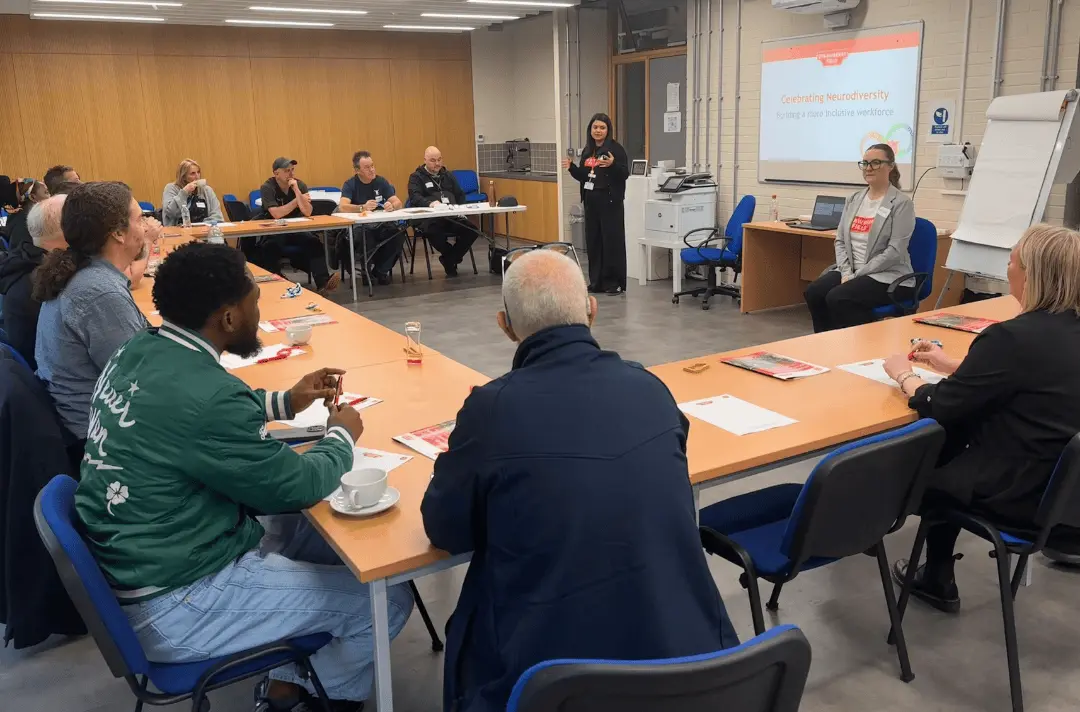
In almost every session, we meet people who quietly share that they suspect they may be neurodivergent but have never fully explored it before. Others may have recently received a diagnosis and are trying to make sense of what it means for them in their work and everyday life.
We also regularly meet people who have lived with their diagnosis for many years but tell us that they have never felt truly understood. Participants have often told us that the training gives them something they have not experienced before, understanding and validation. For some, it is the first time they have heard neurodivergence discussed in a strengths-based way. Instead of focusing solely on challenges, the conversation includes the many strengths neurodivergent people can bring to the workplace including creativity, innovation, deep focus, problem-solving and new ways of thinking.
For others, it becomes a moment where things start to make sense. Hearing experiences reflected, learning about common traits and discussing neurodiversity openly can help people better understand themselves and how they work best. Perhaps most powerful of all are the moments when someone shares that, despite living with their diagnosis for years, they have never felt as understood as they did during the training session.
These experiences remind us that creating neuroinclusive workplaces is about much more than policies or adjustments. It’s about understanding people and recognising that different ways of thinking are valuable. When organisations invest in learning about neurodiversity, they are not only strengthening their workplace culture and supporting better ways of working. They are also creating spaces where people can feel recognised, understood and valued for who they are. And often, the impact of that understanding reaches far beyond the workplace itself.
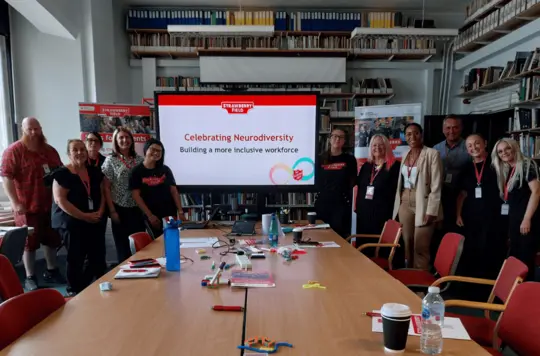
Neurodiversity Awareness Training
Explore key neurodivergent conditions, understand how neurodiversity shows up in everyday and workplace contexts and learn practical strategies to support inclusion.

How neurodiversity benefits a workforce
This National Inclusion Week, we're celebrating neurodiverse workforces